
Mists of Pandaria is releasing next week.
I’ll be very busy for the next few weeks, so check this post again later to see when I’ll be resuming updates!
Mists of Pandaria is releasing next week.
I’ll be very busy for the next few weeks, so check this post again later to see when I’ll be resuming updates!

 |
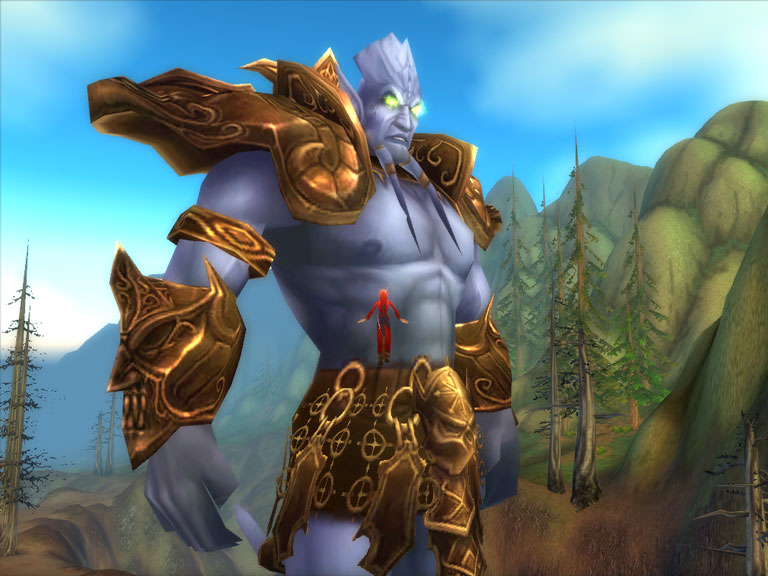
| Not sure what D&C is, but this picture rules. |
 If you were to ask most players, they would state that their favorite type of pacing is when the game starts out gentle, then gets harder and harder and harder until they finally beat the boss and obtain his massive stash of gold.
 If you’ve been around the video game scene for enough years now, this is why you frequently see people who will rave about a specific indie video game, while another person will play it and find it utterly dissatisfying.
  The game that entranced the first player put them in a situation where they were captivated by its challenges and opportunities. The same game could have been either too difficult or too easy for the second player.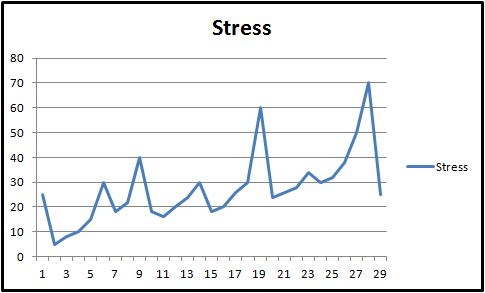
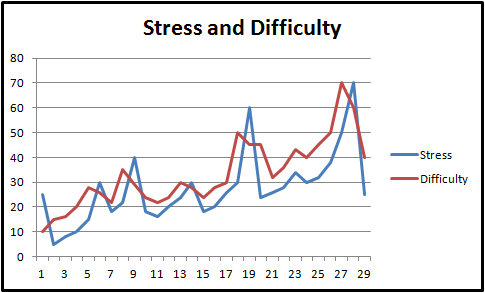

Actually, that’s completely wrong. Games that only make people happy have a short lifespan. Eventually, the amount of positive stimulus you have to give the player eventually exceeds the production capabilities of your game. Bayonetta is a wonderful example of this.
I greatly enjoyed Bayonetta. However, the game grew linearly in both difficulty and epicness. The reaction times required to beat each incoming boss also increased. The result was that my hands were seized up in painful cramps that forced me to regularly put the game down. Furthermore, the story events that took place in the game keep accelerating into absurdity. Youtube “Bayonetta Final Boss” if you don’t care about spoilers.
 The first use of negative reinforcement that came to mind for me was attacking the walls in Legend of Zelda: A Link to the Past. Early into the game, you learn that bombs can destroy walls.
 This lead to several systems. The first, was the rested system, where players eventually got 50% of the experience they would normally gain through killing monsters. The hope was that players would be encouraged to do quests (which were decoupled from the rest system) and stop the endless camping of Owlkin in Winterspring. (I am looking at you, Zaibach)
 Players hated the original rested system, complaining it did all of the above. Some design teams would have panicked and removed the system. However, resistance to an idea doesn’t always mean the idea is wrong. Instead, they rebuilt the system to give a 100% bonus while rested, rather than a 50% penalty while exhausted.
 The LFG/LFR/LFD systems all use it – granting you a ton of rewards for the first completion of a dungeon, raid or battleground. Then far smaller rewards for continuing to play.